
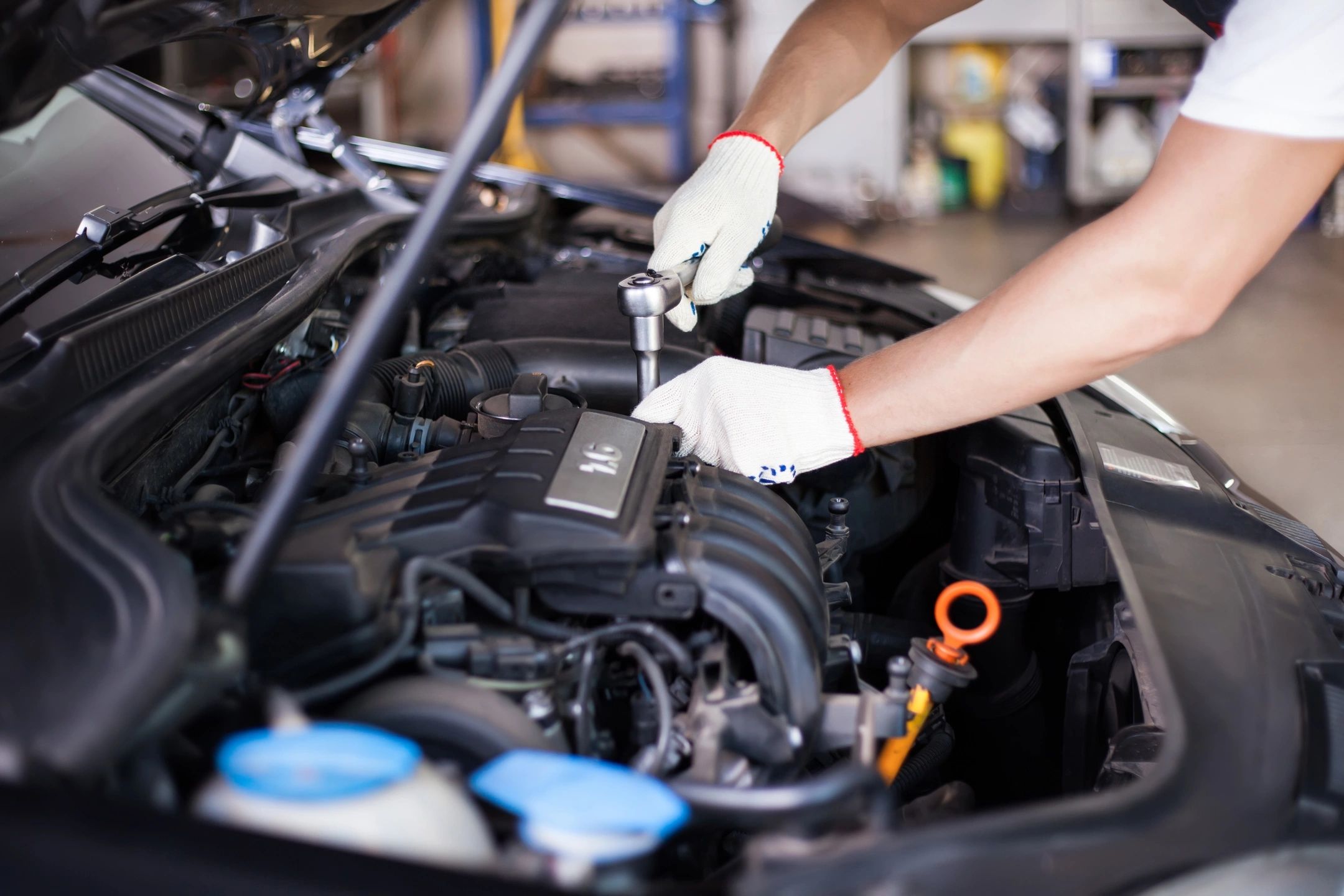
It used to be common for drivers to handle most of their own car maintenance. While that hands-on approach hasn’t disappeared, modern vehicles are far more complex than they once were. Advanced electronics, tighter engine tolerances, and integrated safety systems mean some repairs are best left to trained professionals with the right tools and experience.
Below are common car maintenance and repair tasks that may seem manageable at home, but are safer, smarter, and often less expensive in the long run when handled by professionals.
- Check Engine Diagnostics
With parts stores and mobile apps offering free code scans, many drivers assume they can handle a check engine light on their own. The reality is that most check engine codes are vague starting points, not definitive answers.
Accurate diagnosis requires professional diagnostic equipment and experience interpreting how multiple systems interact. Simply clearing the code without fixing the cause can allow small issues to turn into major repairs. When a check engine light comes on, proper electrical diagnostics help identify the real problem before damage spreads.
- Tire Rotation
Swapping tires at home may seem simple, but professional tire rotation involves more than just moving wheels around. A proper tire rotation includes checking for uneven wear, inspecting tread and sidewalls, and ensuring the tires remain balanced.
Skipping these steps can lead to unsafe driving conditions and shortened tire life. Routine tire rotation and balancing is an inexpensive service that protects your tires and improves ride quality.
- Air Conditioning Service
Adding refrigerant to your air conditioning system without diagnosing the issue first can do more harm than good. Automotive AC systems are sealed, meaning low refrigerant almost always indicates a leak.
Without repairing the leak or confirming proper lubricant levels, topping off refrigerant can damage the compressor and lead to costly repairs. Professional air conditioning service ensures leaks are identified and the system is charged correctly.
- Internal Engine Repairs
Even experienced DIY mechanics can struggle with modern engines. Today’s engines rely on precise torque specifications, advanced fuel injection, variable valve timing, and complex electronics.
Internal engine repairs require specialized tools, manufacturer specifications, and diagnostic software. Attempting these repairs at home can easily lead to improper assembly or further engine damage. When it comes to internal components, professional engine service protects both performance and reliability.
- Suspension Repairs
Your suspension system plays a critical role in vehicle safety, steering control, and tire wear. Replacing suspension components often alters alignment settings, which can cause the vehicle to pull, handle poorly, or wear tires unevenly.
Professional suspension repair and wheel alignment ensures components are installed correctly and the vehicle meets factory specifications before returning to the road.
Final Thoughts
Modern vehicles are engineered with incredible precision, but that precision leaves little room for guesswork. While simple tasks like replacing wiper blades or light bulbs are still DIY-friendly, many repairs now require professional training and equipment.
Leaving complex maintenance to experienced technicians helps protect your vehicle, your safety, and your investment. When in doubt, it’s better to let professionals handle the heavy lifting while you enjoy the peace of mind that comes with properly serviced transportation.