
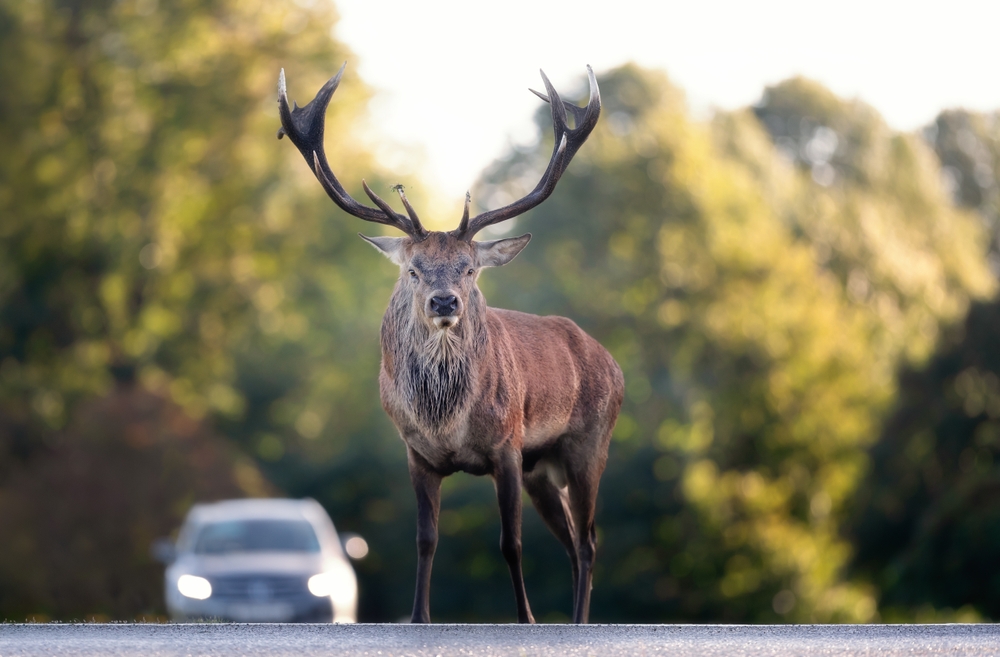
North American roads stretch across millions of miles of land, cutting through deserts, forests, grasslands, mountains, and everything in between. While driving gives us freedom and mobility, it also places us directly in the paths of wildlife that live alongside these roadways.
Animals don’t recognize traffic patterns or speed limits, and encounters often happen with little warning. Knowing how to stay alert and react properly can reduce the risk of a collision and help keep both drivers and wildlife safer.
- Pay Attention
It may sound obvious, but distraction remains one of the biggest factors in wildlife-related accidents. Quiet highways and long stretches of open road can create a false sense of security.
Stay alert and watch for movement near the shoulders of the road, especially when driving through wooded areas, farmland, or near water sources. Animals can emerge suddenly from tall grass, crops, or tree lines with very little warning.
- Improve Your Night Visibility
Night driving significantly increases the risk of animal encounters. Make sure your windshield is clean inside and out, as glare can reduce visibility after dark.
Use high beams when appropriate and watch for the reflection of eyes in your headlights. Dawn and dusk are especially risky times, as many animals are most active during these low-light hours.
- Control Your Speed
Driving faster than your headlights allow you to see is a major risk factor after dark. Keeping your speed under control gives you more time to react if an animal enters the roadway.
During daylight hours, slow down in known wildlife areas or where animal crossing signs are posted. Maintaining safe speeds also reduces strain on brakes and suspension components, which are critical when sudden stops are required.
- If a Collision Is Unavoidable
If you cannot avoid hitting an animal, stay in your lane and apply firm, steady braking. Modern vehicles equipped with anti-lock braking systems allow you to brake hard while maintaining steering control.
If time allows, use your horn to alert the animal. Swerving to avoid wildlife can lead to far more serious accidents involving other vehicles, roadside obstacles, or loss of control.
- What to Do After an Animal Strike
Collisions with smaller animals may result in little or no vehicle damage, but impacts with larger animals such as deer or elk can cause serious mechanical issues and personal injury.
Do not attempt to approach or assist an injured animal. Remain inside your vehicle and contact local authorities. Even if the vehicle appears drivable, hidden damage to steering, alignment, suspension, or cooling system components is common after an animal strike and should be inspected promptly.
A Final Thought
Wildlife encounters are an unavoidable part of driving across diverse landscapes. Staying alert, adjusting your driving habits, and knowing how to react in high-risk situations helps protect not only your passengers and vehicle, but also the ecosystems surrounding the roads we travel every day.
Prepared drivers make safer decisions. A little awareness and patience can go a long way toward reducing harm—for everyone involved.