
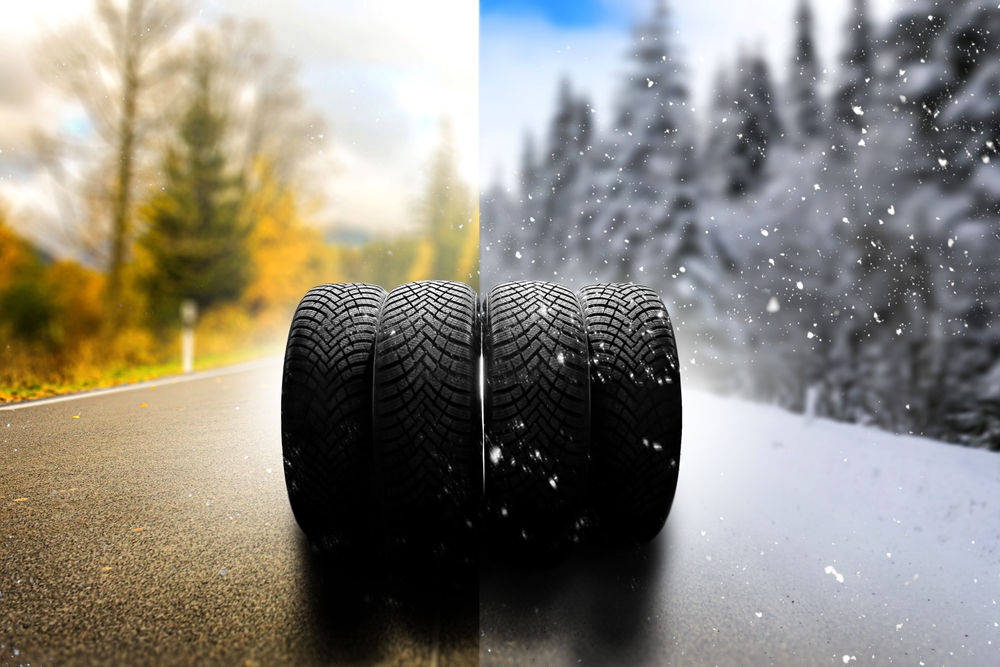
In many parts of the U.S. and Canada, drivers rely on two sets of wheels and tires to handle changing road conditions throughout the year. Seasonal tire setups are a smart investment, but proper storage is just as important as how you drive on them. Storing tires the wrong way can shorten their lifespan, affect performance, and lead to unnecessary replacement costs.
If you want your seasonal wheels and tires ready to go when it’s time to swap them back on your vehicle, follow these storage best practices.
- Clean Your Wheels
Road grime, brake dust, and salt residue can damage wheel finishes over time, especially when left sitting for months. Before storing your wheels, wash them thoroughly using mild soap and water. Rinse well and allow them to dry completely before putting them away.
Clean wheels are less likely to corrode and will look better when reinstalled.
- Clean and Treat Your Tires
Tires are made from a combination of natural and synthetic rubber, which can dry out when not in use. Before storage, clean your tires with a liquid or foaming tire cleaner and wipe away any residue.
Applying a silicone-based tire dressing helps keep the rubber supple and reduces the risk of dry rot or cracking while the tires are stored.
- Check and Maintain Tire Pressure
Tires should be stored fully inflated. Underinflated tires sitting on hard surfaces can develop flat spots that cause vibration or thumping when you start driving again.
Maintaining proper tire pressure during storage helps the tire retain its shape and makes the transition back to the road smoother.
- Inspect for Wear or Damage
Take time to visually inspect each tire and wheel before storage. Look closely at the tread, sidewalls, and bead area for cracks, uneven wear, or other damage.
If you notice uneven tire wear, it may be a sign of alignment or suspension issues. Addressing those problems with a professional wheel alignment or front-end inspection before reinstalling your tires can help prevent repeat wear.
- Bag Each Tire
Once tires are clean, treated, and properly inflated, place each one into a heavy-duty plastic bag. Lawn or contractor bags work well. Seal the bag by rolling the opening and taping it shut.
Bagging helps slow the evaporation of tire dressing, keeps dust and moisture away, and protects wheels from accidental bumps or scrapes.
- Label Tire Positions
Before storage, label each tire based on its position on the vehicle, such as front left (FL) or rear right (RR). Keeping track of where each tire was installed helps maintain a consistent rotation pattern when the tires go back on.
Proper rotation plays a role in even tread wear and long-term tire performance.
- Store Tires Flat and Off the Ground
Avoid storing tires standing upright, which can encourage flat spotting and instability. Instead, place a piece of plywood or 2x4s on the floor and stack the tires horizontally.
Keeping tires off bare concrete and stored flat helps preserve their shape and prevents unnecessary stress on the rubber.
Final Thoughts
Seasonal wheels and tires are an excellent way to adapt your vehicle to changing weather or driving conditions. With proper cleaning, inspection, and storage, you can extend the life of both your tires and wheels while maintaining safe performance year after year.
If you have questions about tire storage, seasonal tire swaps, or tire condition, a professional tire service can help ensure everything is ready before your next changeover.