
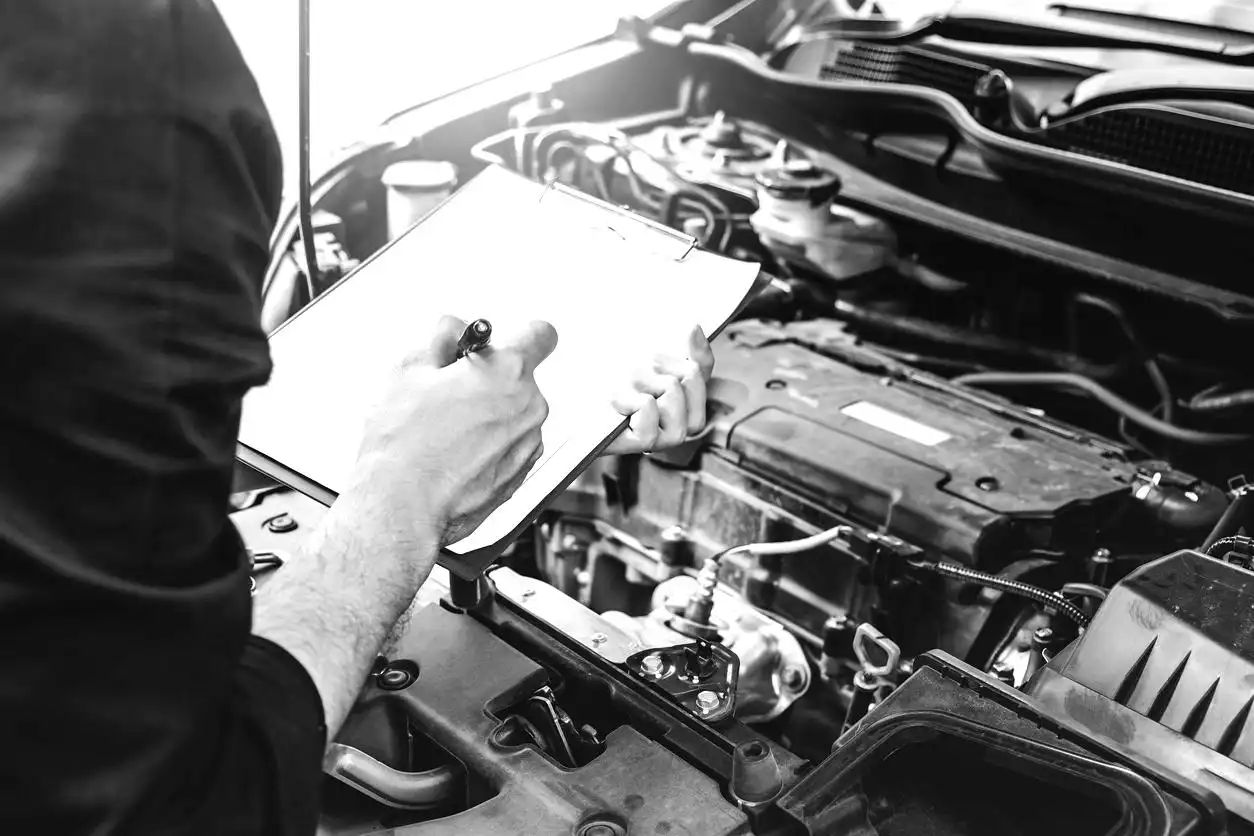
Buying a used car can be a smart way to save money, but only if you know what to look for before you commit. While many dealerships and private sellers are honest, not every vehicle on the market is in good condition, and not every problem is obvious during a short test drive.
This checklist walks through the most important things to inspect when buying a used car. Whether you’re shopping at a dealer or buying from a private seller, these tips can help you avoid costly surprises and feel confident about your decision.
- Check the Oil Dipstick
The oil dipstick can tell you a lot about both the engine and how the vehicle has been maintained. Pull the dipstick, wipe it clean, reinsert it, then check the level again.
- Oil should not be overfilled, which can indicate fuel contamination
- Oil below the minimum mark is a warning sign
- White or milky foam suggests coolant or water in the oil
- Burnt-smelling oil may indicate long intervals between oil changes
Poor oil condition is often a sign that routine maintenance like oil changes has been neglected.
- Inspect Paint and Body Panels
Run your fingers along door jambs, around the windshield, and along the trunk opening. Factory paint is smooth and consistent. Body shop paint often feels slightly rough.
Watch for:
- Paint lines or overspray on trim
- Mismatched color or shine between panels
- Broken glass under seats or in carpeted areas
These are common signs the vehicle has been in a collision.
- Review the Vehicle History Report
A vehicle history report won’t tell you everything, but it’s far better than guessing. Reports may show accidents, insurance claims, ownership history, or title issues.
Use this information as a starting point, not a guarantee. Even clean reports should be paired with a hands-on inspection.
- Look for Interior Damage and Burn Marks
Most people recognize cigarette burns, but small round holes can indicate other types of smoking inside the vehicle. Heavy interior damage or strong odors often reflect neglect and hard use.
Interior condition usually mirrors how the car was treated mechanically.
- Check the Glove Box for Records
You’d be surprised how often valuable paperwork is left behind. The glove box may contain service receipts, insurance paperwork, or maintenance records that help confirm how the vehicle was cared for.
Consistent service records are often a good sign.
- Inspect the Tires Carefully
Tires can reveal alignment problems, suspension wear, and poor maintenance habits.
Check for:
- Uneven or rapid tire wear
- Cracked or dry-rotted sidewalls
- Low tread depth
- Bulges or damage
Uneven tire wear is often linked to wheel alignment or front-end issues, which can shorten tire life and affect handling if not corrected.
- Look for Signs of Airbag Replacement
Airbags deploy only once and must be replaced after an accident. Inspect the steering wheel, dashboard panels, seat sides, and roof liners for poor fit or mismatched materials.
Improper airbag repairs are a serious safety concern.
- Examine Back Seat Wear
Worn or stained back seats usually indicate frequent passengers. While cosmetic wear isn’t a dealbreaker, strong odors, especially spoiled milk, are extremely difficult to remove.
A family-owned vehicle with visible use isn’t necessarily a bad thing.
- Pay Attention to Engine and Transmission Behavior
The engine should start smoothly, idle consistently, and shut off without hesitation. During a test drive, the transmission should shift smoothly without slipping, hesitation, or clunking.
If the vehicle doesn’t feel right, trust that instinct.
- Watch the Dashboard Warning Lights
Dashboard warning lights exist for a reason. A check engine light, ABS warning, or brake warning often means a repair was postponed or ignored.
Electrical warning lights may point to underlying electrical system issues, while brake warnings can signal the need for brake inspection or repair before the vehicle is safe to drive.
Final Advice
Buying a used car doesn’t have to be stressful. Take your time, follow this checklist, and don’t hesitate to walk away if something doesn’t feel right. There are plenty of used vehicles available, and the right one is worth waiting for.
If you want extra peace of mind, having a used car inspected by a trusted service shop before purchasing can help uncover hidden problems and confirm whether a vehicle is truly a good buy.