
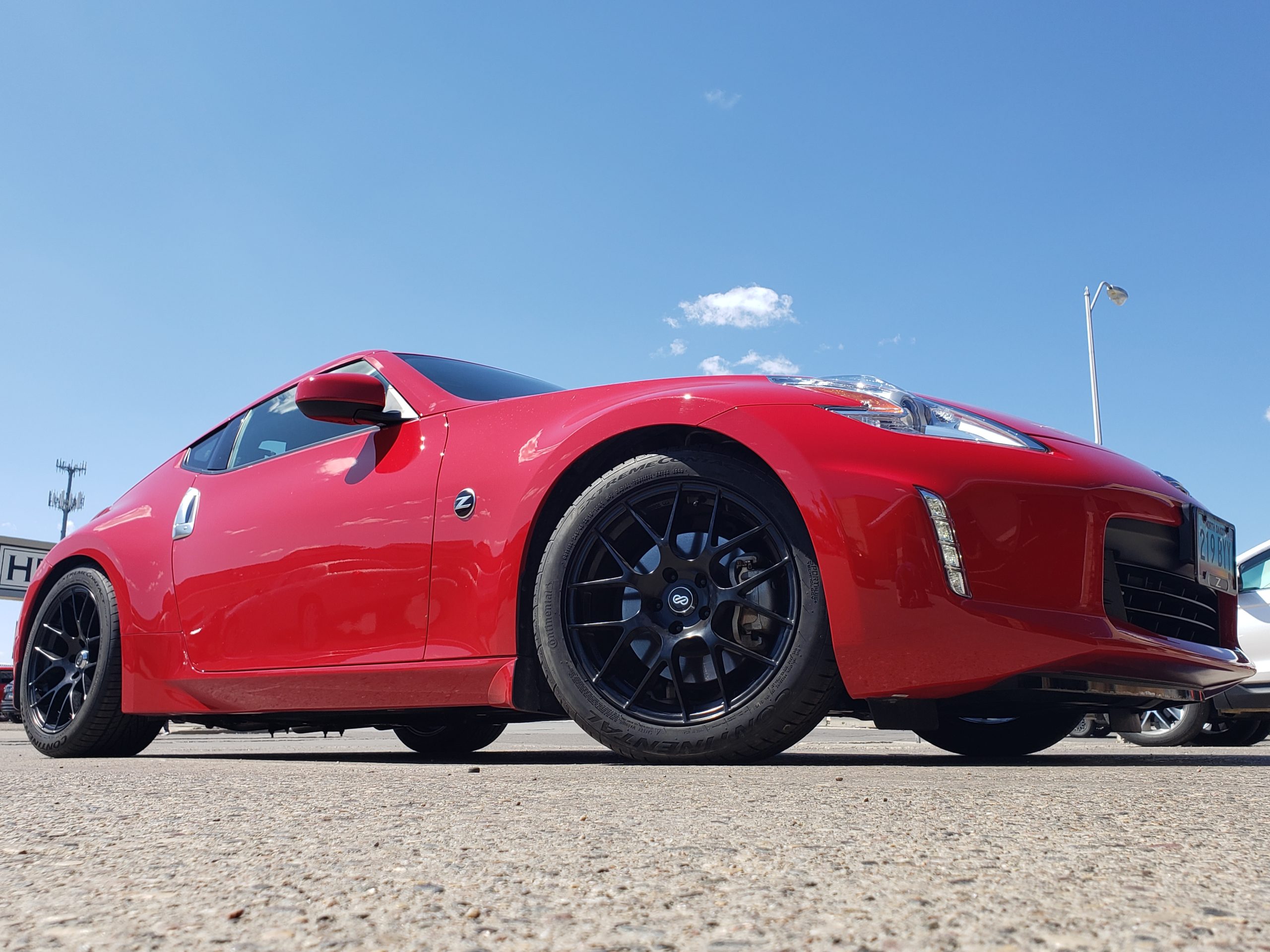
Automotive performance means different things to different drivers. For some, it’s sharper handling. For others, it’s quicker acceleration, stronger towing capability, or improved efficiency. In this case, performance comes down to one simple idea: getting more usable power to the road.
There are countless aftermarket upgrades available, but not all of them deliver meaningful results. The following performance upgrades are some of the most effective ways to improve engine output and overall drivability without chasing diminishing returns.
Cold-Air Intake
Factory air intake systems are often designed around packaging constraints and noise reduction rather than maximum airflow. A cold-air intake reduces restriction and delivers cooler, denser air to the engine.
More air allows the engine to burn fuel more efficiently, often resulting in improved throttle response and modest horsepower gains with relatively simple installation.
Larger Throttle Body
The throttle body controls how much air enters the engine, making it a key component in power delivery. A larger throttle body increases airflow capacity, allowing more air and fuel into the combustion chamber.
This upgrade is especially effective when paired with intake and exhaust modifications that support increased airflow throughout the system.
Forced Induction
Turbochargers and superchargers both serve the same purpose: forcing more air into the engine under pressure. More air means more fuel can be burned, which translates directly into more power.
Whether driven by a belt or exhaust gases, forced induction systems can dramatically increase horsepower. These upgrades require careful tuning and supporting modifications to ensure reliability and performance.
Engine Controllers and Tuners
Modern vehicles rely on onboard computers to manage fuel delivery, ignition timing, and transmission behavior. Manufacturers often leave performance potential on the table to balance emissions, fuel economy, and longevity.
Performance tuners and programmers can unlock this potential by adjusting key parameters. In addition to increased power, tuning can refine shift points, improve throttle response, and provide valuable data for monitoring engine performance.
Free-Flowing Exhaust Systems
Making more power isn’t just about getting air into the engine—it’s also about efficiently removing exhaust gases. Restrictive factory exhaust systems can limit performance.
A free-flowing exhaust allows spent gases to exit more easily, making room for the next intake charge. The result is improved airflow, better efficiency, and noticeable gains when combined with other upgrades.
Traction and Tire Grip
Power is only useful if it reaches the pavement. Upgrading engine components without addressing traction often leads to wheel spin rather than faster acceleration.
High-quality performance tires and proper wheel alignment help transfer power effectively and maintain vehicle control. Matching traction upgrades to power increases ensures that performance improvements are both usable and safe.
Choosing the Right Upgrades
The most effective performance upgrades work together as a system. Intake, exhaust, tuning, and traction should be balanced to achieve reliable gains rather than isolated improvements.
Smart upgrades focus on usable power, drivability, and long-term reliability. When chosen carefully, performance enhancements can transform how a vehicle responds without compromising everyday usability.
Frequently Asked Questions About Performance Upgrades
What is the best performance upgrade to start with?
Cold-air intakes and engine tuning are often the most cost-effective starting points. They improve airflow and engine response without requiring major mechanical changes.
Do performance upgrades reduce reliability?
Not when chosen carefully. Upgrades that work within the engine’s design limits and are properly installed and tuned can maintain reliability while improving performance.
Will performance upgrades affect fuel economy?
Some upgrades can improve efficiency under light driving conditions, but aggressive driving or high-power modifications may reduce fuel economy overall.
Do performance upgrades require professional installation?
Many basic upgrades can be installed by experienced enthusiasts, but tuning, forced induction, and drivetrain-related modifications are best handled by professionals to ensure safety and proper operation.